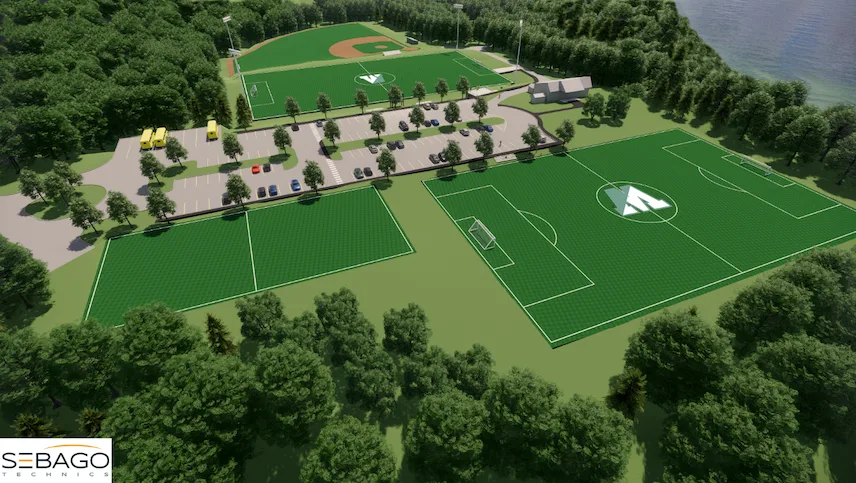
Introduction to 3D Modeling in Design
3D modeling is an expansion of the concept of two-dimensional drafting, which began to rise in popularity in the early 2000s. By adding a third dimension, exponentially more information can be included in the resulting model. Three-dimensional models in AEC design are typically for buildings and building systems. However, they can be used for individual components and fixtures for fabrication as the building approaches construction.
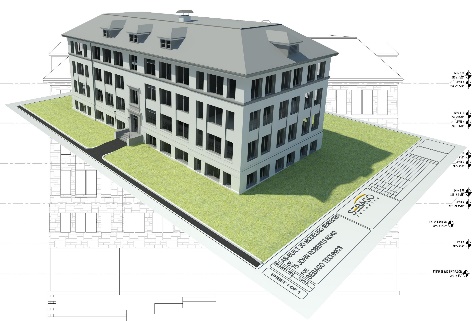
3D Model Produced by Sebago Technics
Models are created in the early stages of a design project. They are the foundation for designers to bring designs into reality through detailed construction drawings, images, and renderings.
Understanding the Importance of 3D Modeling: What Are Its Benefits?
The benefits of working in a three-dimensional space over traditional drafting are that it allows architects and engineers to understand the conditions of a design more clearly. The design of building systems is complex and can be used to more clearly represent projects to other designers, builders, and clients.
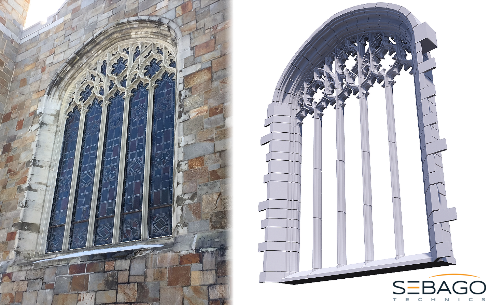
3D Model Produced by Sebago Technics
Models allow significant changes to design with relative ease, as the drawings are based on 3D geometry instead of linework. By making changes easier, designers can coordinate with trades and consultants more easily after presenting design options. If all design team members work in 3D, it is possible to have a complete digital representation of the design and all its systems. This also opens up other opportunities for coordination, such as clash detections and material quantities, to be more accurately estimated to help keep project costs low.
Other information can also be included in a model, such as glazing information for windows, hardware information for doors, pipe flows, mechanical system volumes, and electrical design loads. This information component allows projects to incorporate more information into the design, reducing the potential for coordination errors and miscommunications. Once the project is complete, the design model acts as a record model for the owner and future maintenance teams.
A Critical Role in Design?
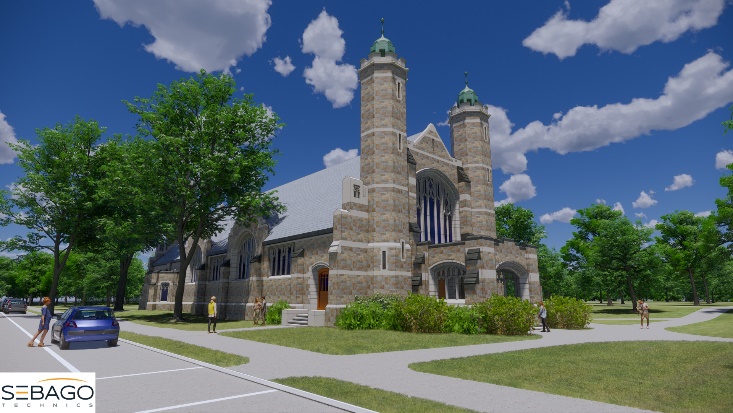
Model Rendering Produced by Sebago Technics
Any AEC design in the built world needs a foundation in three-dimensional reality. Having a model during the design process improves understanding of a project, which is crucial during the design process. The information in a 3D model allows designers to coordinate utilities, grading, and system routing information accurately, which enables the building to function correctly. Engineers and trades need to properly size and locate equipment to maintain functionality, and understand how a building is intended to sit on a building site to create a proper site design.
By having a model, designers can create a more accurate design to ensure that a project functions appropriately and lasts for decades. The more precise the information is at the start of a project, the better decisions and solutions can be made. These decisions allow projects to meet building codes and requirements for functionality that are critical for both owners and users of a building.
Learn more about the importance of 3D modeling and our CAD and 3D modeling services today! Our team has the experience to understand the vision of your project, accurately capture and analyze it, and then provide a realistic model for your design and presentation requirements.
Related posts
Dig into project updates, industry insights, and thoughtful perspectives from the people shaping our communities.